
Imaginal Cells
Imaginal cells are special cells that stay inactive while a caterpillar grows. When the caterpillar enters its chrysalis and begins changing, these cells become active. They multiply and help form the butterfly’s wings, antennae, eyes, and other body parts. In a way, they already contain the plan for the butterfly the caterpillar will become.
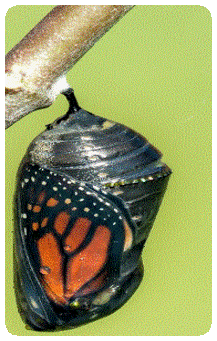
This remarkable process offers a picture of spiritual transformation. Why does creation begin with a caterpillar rather than a butterfly? That question belongs to our Creator, yet the journey from crawling to flying can help us understand what happens when we recognize Jesus as Lord and Savior. In His presence, what has tethered us to fear, shame, and the enemy begins to die. His truth calls new life forward, and our thoughts, desires, and direction begin to change.
We are each created for a purpose: first to glorify the Father, and then to walk the particular path He has prepared for us. Life experiences—trauma, grief, fear, pain, and the words of others—can influence how we see ourselves. They may cover our purpose, but they cannot erase the design God placed within us.
In this sense, “imaginal cells” represent the promise that has not yet taken visible form. Every parent feels something of this mystery while holding a newborn. Who will this child become? The possibilities cannot yet be measured. Before personality and calling unfold, the child already bears the dignity of who God lovingly made. Every iris, eyelash, finger, and toe reflects the Master Builder's care. The first breath announces both new life and unfolding promise.
The miraculous and the ordinary meet at a child's birth. Whether a baby arrives strong or needs help beginning life, each one reflects God’s imagination and care. Identity comes before achievement: whatever that child eventually does, the deepest “who” is beloved by God.
Genesis says that “the earth was without form, and void” (Genesis 1:2). Could we understand that unformed world as holding possibilities known fully to God, waiting for His word and breath? The butterfly reminds us that what appears empty, dormant, or unfinished may already contain a design that has not yet emerged. We come from God's heart and imagination, and He continues to form us through His word, love, and Spirit.
Creation displays this pattern everywhere: seed to tree, infant to adult, caterpillar to butterfly. God imagines, speaks, and brings life into form. His words are like a paintbrush, filling existence with beauty. Even now, much of creation remains unseen by human eyes. Its hiddenness does not make it meaningless; it remains known to Him.
This mystery also points toward eternity. The transformation from crawling to flying invites questions about what we will become when our earthly lives end. Scripture does not satisfy every curiosity about our heavenly bodies, but it gives us reason to trust the One who creates and recreates. If God can fashion the butterfly through metamorphosis, He is not limited in how He will fulfill His promises to us.

When we commit our lives to Jesus, we become a new creation: “the old has passed away” (2 Corinthians 5:17). The butterfly is not proof of this promise, but it is a beautiful illustration. What was hidden becomes visible. What seemed like an ending becomes a beginning. As we learn, heal, and grow in Christ, more of His life appears in us.
That hope raises a practical question: How do we agree with God about who He created us to be? One place to begin is with our words and thoughts. “Life and death are in the power of the tongue” (Proverbs 18:21). Words can create fear, shame, anger, courage, peace, love, and joy. Repeated words become beliefs, and beliefs influence how we interpret ourselves, other people, and God.
Some belief structures sound so much like our own voice that we mistake them for truth—or even for God's voice. Scripture warns that our thinking shapes our lives: “As he thinks in his heart, so is he” (Proverbs 23:7). Harmful messages repeated by parents, teachers, friends, or us can become walls built over many years. Yet those walls are not permanent. By God’s grace, we can dismantle them one thought, one word, and one act of agreement with truth at a time.
This does not mean every illness or hardship comes from someone’s words, nor does faith operate like a formula. We do not command God or fully understand how He heals and restores. We can, however, bring wounded beliefs into His presence, seek wise support, and allow Scripture to renew our minds. God says, “I will build you, and you shall be rebuilt” (Jeremiah 31:4). His word “shall not return…void” (Isaiah 55:11). These promises invite trust, not presumption.
God’s truth can overcome toxic words and actions spoken against us or by us. A child who repeatedly hears that they are worthless may begin to choose relationships and situations that reinforce that message. The enemy seeks to steal, kill, and destroy, often exploiting wounds and false agreements. But God has given us “all things that pertain to life and godliness” (2 Peter 1:3). His purposes lead toward light, love, joy, peace, patience, endurance, and goodness.
Coming out of agreement with lies may sound simple, but it often requires careful, tenacious attention. False beliefs hide in familiar phrases, painful memories, jokes, disappointments, and assumptions. After years of repetition, they can feel like reality. Renewal begins when we notice what we think and say, test it against God’s character and word, and choose truth instead.
The enemy may whisper, “This is all there is,” or “You were not meant for more.” That is not God's heart. Scripture records Him saying, “Let Us make man in Our image” (Genesis 1:26). We are not defined by every word spoken over us, every mistake we have made, or every wound we have carried. God’s design is deeper than the damage, and His calling is not canceled by our detours.
Next, take time with God and ask: What have I believed about myself that does not agree with You? What do You say about my identity, purpose, gifts, and future? Invite the Father, Jesus, and Holy Spirit to uncover lies and restore truth. Listen prayerfully, search Scripture, and seek trustworthy Christian counsel when you need help.

Then take the next life-giving step. Speak truth where you once repeated condemnation. Practice forgiveness where bitterness held you. Receive love where shame kept you hidden. Use your gifts in service rather than waiting until you feel completely ready. Transformation is often both a decisive awakening and a patient unfolding.
What “imaginal cells” lie dormant in you, waiting to be uncovered and given life?
What colors did the Lord paint your wings, and in what direction were you meant to fly?
Allow who you are in Jesus to come forward.
Let His truth awaken courage, compassion, creativity, and purpose in living color.
As your wings unfold, encourage others to seek Jesus and discover His purposes for their own lives. We do not learn to fly alone. We are a community of Christians walking beside one another, helping wounded wings heal and strengthening one another for the journey. The caterpillar could not imagine the sky, yet the pattern for flight was present all along. In the same way, we may not see everything God is forming in us. We can still trust the One who designed the process. In Christ, endings become beginnings, hidden promise comes alive, and we become a new creation—learning to fly on the wings of the risen Savior.


Comments